
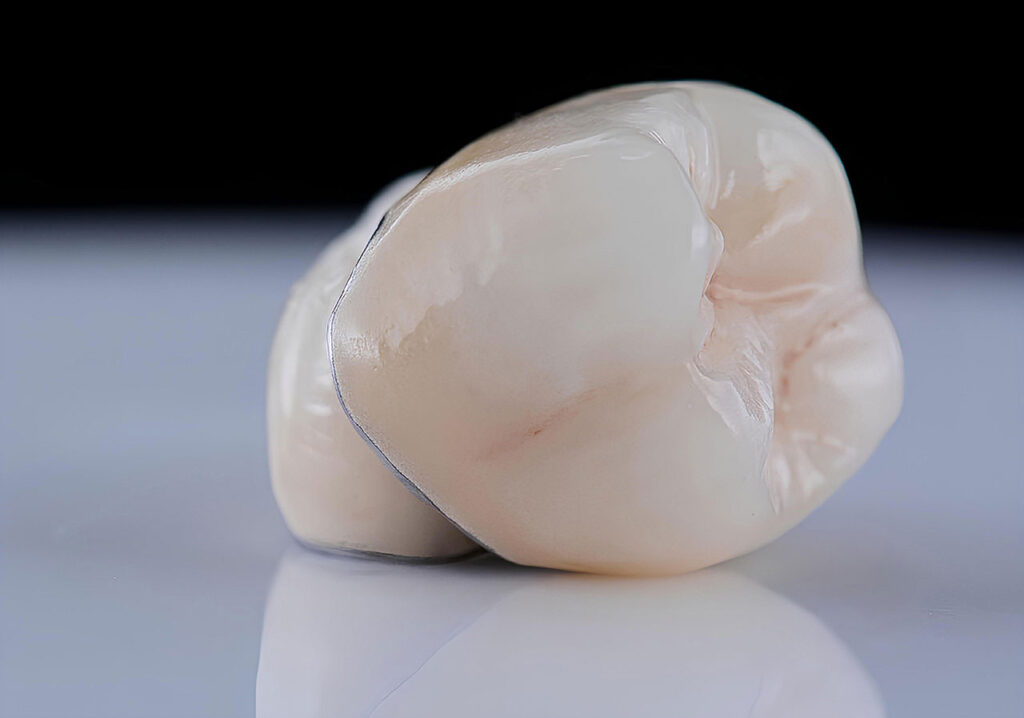
Ever bite down and feel a sharp “zing” that makes you stop mid-chew? Or notice a tooth that looks chipped, worn, or darker than the rest? In many cases, those are signs a tooth needs extra protection. That’s where a dental crown comes in—think of it like a strong, custom “cap” that covers and reinforces a tooth so you can eat, smile, and speak comfortably again.
If you’re looking for dental crowns in Pasadena, TX, this guide explains what crowns do, when they’re recommended, how the process typically works, and how to make a crown last as long as possible. In addition, we’ll cover questions patients ask all the time—like whether crowns hurt and how long the appointment takes.
What is a dental crown?
A dental crown is a custom restoration that fully covers the visible portion of a tooth above the gumline. Crowns are designed to restore strength, shape, and appearance—especially when a tooth is too damaged or weakened for a filling to do the job.
Crowns are commonly planned as part of restorative dentistry because they can protect teeth long-term and help preserve your natural bite.
When do you need a dental crown?
Not every tooth problem requires a crown. However, crowns are often recommended when a tooth needs “full coverage” support. You might need a crown if you have:
- A cracked or fractured tooth (especially if biting pressure causes pain)
- A large cavity where too much tooth structure is missing for a stable filling
- A broken filling or repeated filling repairs on the same tooth
- After root canal treatment (to reinforce the tooth)
- Severe wear from grinding or clenching
- Cosmetic concerns like shape or discoloration when other options aren’t ideal
Meanwhile, if you’re dealing with sudden pain, swelling, or a tooth that fractured unexpectedly, you may need urgent care first. In that case, our team can help through dental emergency treatment.
What happens during a crown appointment?
Many patients imagine a crown appointment is long or uncomfortable. However, modern dentistry focuses on comfort and precision, and the process is typically straightforward. Here’s what to expect:
1) Exam and planning
First, we evaluate the tooth and surrounding bite. We may take X-rays to check the root and bone support. Then, we explain whether a crown is the best option—or if a filling or another treatment could work instead.
2) Numbing and gentle tooth preparation
We numb the area so you’re comfortable. Next, the tooth is shaped to make room for the crown material. If the tooth is significantly damaged, we may rebuild it first so the crown has a stable foundation.
3) Impression or digital scan
We capture the tooth shape so your crown fits precisely. A great crown should feel natural in your bite—so accuracy here matters.
4) Temporary crown (if needed)
In many cases, a temporary crown protects your tooth while the final crown is crafted. Then, at your next visit, we place the final crown and fine-tune the bite for comfort.
If you feel anxious about dental treatment, options may be available through sedation dentistry so your visit feels easier and more relaxed.
Do crowns hurt?
The short answer: they shouldn’t. Because we use local anesthetic, the procedure itself is designed to be comfortable. Afterward, it’s normal to feel mild soreness or sensitivity for a few days—especially if the tooth was already inflamed. However, sharp pain, prolonged discomfort, or a bite that feels “off” should be addressed quickly. A small bite adjustment can make a big difference.
How long do dental crowns last?
Crowns can last many years, but longevity depends on a few key factors: the material used, your bite forces, and how well you protect the tooth and surrounding gumline. In addition, habits like grinding, chewing ice, or skipping checkups can shorten a crown’s lifespan.
Crowns tend to last longer when you:
- Brush twice daily and clean between teeth daily
- Keep routine checkups through family dentistry
- Avoid chewing hard objects (ice, pens, hard candy)
- Wear a nightguard if you grind or clench
- Address gum inflammation early before it affects the crown margin
Benefits: why crowns protect your long-term oral health
Trusted dental guidance emphasizes preserving natural tooth structure whenever possible, and crowns can be a key part of that approach. When a tooth is weakened by decay, cracking, or large fillings, a crown helps reinforce it so it can handle everyday chewing forces. In addition, stabilizing a compromised tooth can reduce the likelihood of future fractures and help maintain a comfortable bite.
Crown vs filling: how do you know which you need?
This is one of the most common questions we hear in Pasadena. Here’s a helpful way to think about it:
- Fillings repair small to moderate areas of damage inside the tooth.
- Crowns protect teeth with larger damage, cracks, or structural weakness that could break under pressure.
However, the best choice depends on the tooth’s condition, your bite, and how much healthy structure remains. That’s why an exam matters—so you’re not guessing.
What if my tooth is missing or can’t be saved?
Sometimes the tooth is too damaged to restore with a crown. If that happens, there are still strong options to replace it. Many patients consider dental implants because implants can replace a tooth from the root up and help support long-term stability. Depending on your situation, bridges or other restorative solutions may also be discussed.
Next Steps for Dental Crowns in Pasadena, TX
If you have a cracked tooth, a large cavity, or a filling that keeps failing, a dental crown may be the best way to protect your tooth and restore comfortable chewing. The sooner you address the issue, the more likely you can preserve the tooth and keep treatment simpler.
Ready to restore your smile? Book an appointment with Eversmiles Dental in Pasadena, TX. Call Call Us Today or Contact Us to book an appointment.