
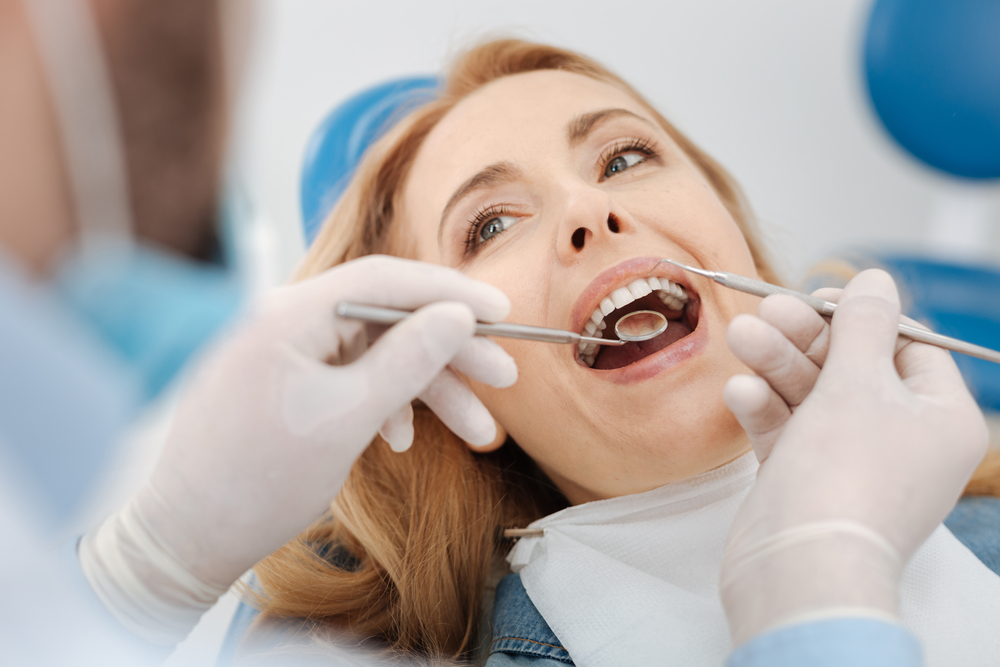
Healthy gums don’t bleed. If yours do, your body is sending an early warning. Gum disease (periodontal disease) is common, but it’s also highly manageable when caught early. Here’s how to recognize the signs, understand the stages, and protect your smile with today’s proven treatments.
Gingivitis vs. Periodontitis: What’s the Difference?
Gingivitis is inflammation of the gums caused by plaque buildup. It’s reversible with professional cleanings and better home care. Periodontitis occurs when inflammation extends deeper, breaking down the bone that supports your teeth. At this stage, you may need specialized therapy to stop progression and protect stability.
Early Signs You Shouldn’t Ignore
- Gums that bleed when brushing or flossing
- Persistent bad breath or a bad taste
- Red, puffy, or tender gum tissue
- Gum recession or teeth appearing “longer”
- Spaces developing between teeth
Why It Matters for Whole-Body Health
Chronic inflammation doesn’t stop at your gumline. Research links periodontal disease with elevated risks related to diabetes control, cardiovascular health, and pregnancy outcomes. While a dental cleaning isn’t a substitute for medical care, keeping your gums healthy is a smart investment in overall wellness.
Treatment Pathways That Get Results
Professional cleaning and coaching: For early gingivitis, a focused cleaning plus refined brushing/flossing can reset your baseline.
Scaling and root planing: A deeper cleaning that removes plaque and tartar below the gumline and smooths root surfaces so gums can reattach.
Maintenance: More frequent visits (often every three to four months) help keep bacteria under control while tissues heal.
Home Habits That Make the Biggest Difference
Use a soft toothbrush and fluoride toothpaste, angle bristles where gums meet teeth, and clean between teeth daily with floss or interdental brushes. An antiseptic mouthrinse can complement—not replace—mechanical cleaning. And don’t underestimate diet: fewer sugary snacks and more water help keep plaque from thriving.
When Gums Recede: Options to Protect Roots
Exposed roots can feel sensitive and are more prone to decay. Depending on the cause and severity, we may recommend desensitizing treatments, bonding to cover thin areas, or referral for soft-tissue grafting. The earlier we intervene, the more conservative the solution can be.
How Eversmiles Dental Can Help
We tailor plans that fit your schedule and comfort level—often combining gentle techniques with sedation dentistry for those who want extra relaxation. If you’re due for a checkup, explore our Family Dentistry page to see how prevention stays simple at every age.
Noticed bleeding gums or bad breath? Reach out to Eversmiles Dental at Call Us Today or Contact Us to schedule a thorough gum evaluation in Pasadena.