
There’s a good chance you’ve heard the phrase, “I’d rather get a root canal,” usually meant as a joke about something unpleasant. But here’s the twist—modern root canal treatment is nothing like the horror stories. In fact, it’s one of the most effective, comfortable ways to save a tooth that would otherwise be lost. Root canals fall under the branch of dentistry known as endodontics, which focuses on the soft tissue inside your teeth—your pulp, nerves, and roots. Let’s break down how this procedure works, why it’s so valuable, and why you shouldn’t wait if you’re dealing with tooth pain.
What Is a Root Canal?
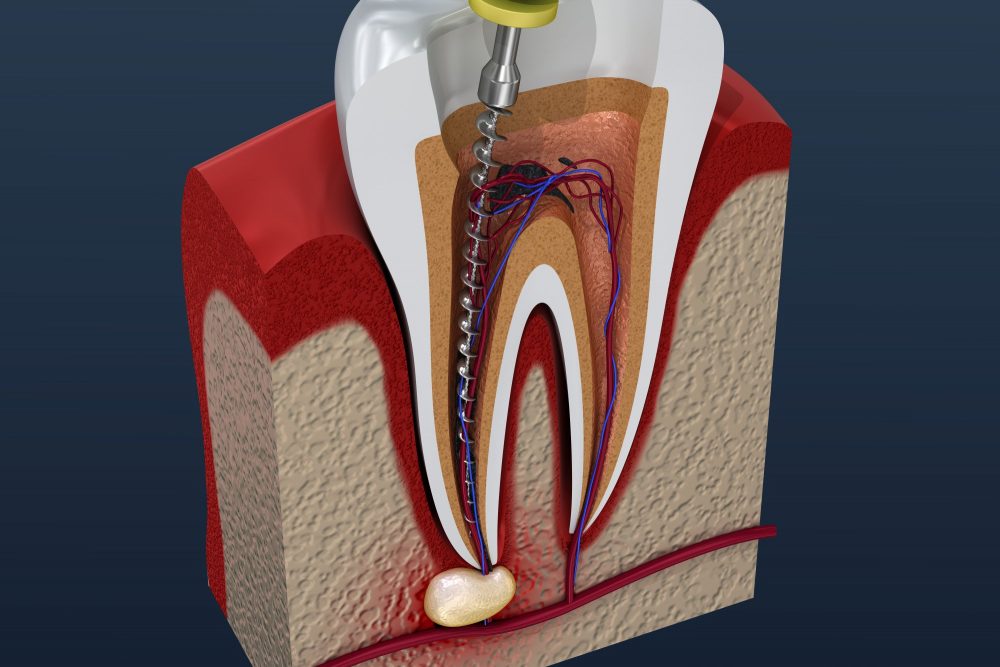
At the center of every tooth is a soft core called pulp. It contains nerves, blood vessels, and connective tissue. When this pulp becomes inflamed or infected—whether from deep decay, trauma, or repeated dental procedures—a root canal may be the only way to eliminate pain and save the tooth. During a root canal, your dentist removes the infected pulp, cleans the inside of the tooth, and fills it with a special biocompatible material. The tooth is then sealed and usually topped with a dental crown for protection.
Common Signs You Might Need a Root Canal:
- Persistent pain or throbbing in a tooth
- Sensitivity to hot or cold that lingers
- Swollen or tender gums near the affected area
- Discoloration or darkening of the tooth
- A pimple-like bump on the gums (abscess)
Don’t ignore these symptoms—root canal infections can spread and lead to tooth loss or systemic infection if left untreated.
The Root Canal Process: Step by Step
If you’ve been told you need a root canal, here’s what to expect:
- X-Rays & Evaluation – Your dentist will assess the extent of infection and determine the shape of your root canals.
- Local Anesthesia – Modern anesthetics make the procedure virtually painless.
- Pulp Removal & Cleaning – The infected tissue is carefully removed, and the canals are cleaned and shaped.
- Filling & Sealing – A rubbery material (gutta-percha) is used to fill the space.
- Crown Placement – A crown is usually placed afterward to restore strength and protect the tooth.
- The procedure typically takes 1–2 visits, depending on the severity of the infection and complexity of the roots.
The Benefits of Root Canal Treatment (Backed by Experts)
Root canals aren’t just about relieving pain—they’re about preserving your natural teeth for years to come. According to the American Association of Endodontists (AAE), teeth that undergo root canal therapy can last a lifetime with proper care.
Why it’s a great option:
- Pain Relief: The procedure removes the source of infection and discomfort.
- Tooth Preservation: Keeps your natural tooth intact, preventing shifting of surrounding teeth.
- Aesthetics & Functionality: A crown restores appearance and biting strength.
- Cost-Effective: It’s often less expensive in the long run than extraction and replacement.
- High Success Rate: With current technology, success rates exceed 95%.
Plus, modern techniques and technology have made root canal therapy more comfortable than ever—often no more uncomfortable than getting a filling.
Is Endodontic Treatment Right for You?
If you’re dealing with tooth pain, don’t wait for it to “just go away.” Infections won’t resolve themselves—they only get worse. If your tooth can be saved with a root canal, that’s usually the best option. But if the tooth is too damaged or fractured below the gumline, extraction and a replacement (like a dental implant or bridge) may be recommended. Either way, your dentist will guide you toward the healthiest, most cost-effective solution.
Aftercare: Keeping That Tooth Healthy
- Post-procedure care is relatively simple:
- Avoid chewing on the treated side until the crown is placed
- Brush and floss as usual
- Attend your follow-up appointment for your crown fitting
- Watch for signs of persistent discomfort (though rare)
Once restored, a root canal tooth can look and function like any other tooth in your mouth.
Protect Your Smile—Don’t Pull It
Root canal therapy is a tooth-saving marvel that can restore your comfort, function, and health in just a few visits. If you’re dealing with deep decay or dental trauma, this procedure may be the key to preserving your natural smile
Experiencing tooth pain or swelling? Call Ever Smiles Dental at 218-741-9180 or stop by our Pasadena office at 6725 Spencer Hwy #19 to schedule your consultation and find out if endodontics or root canal therapy is right for you.