
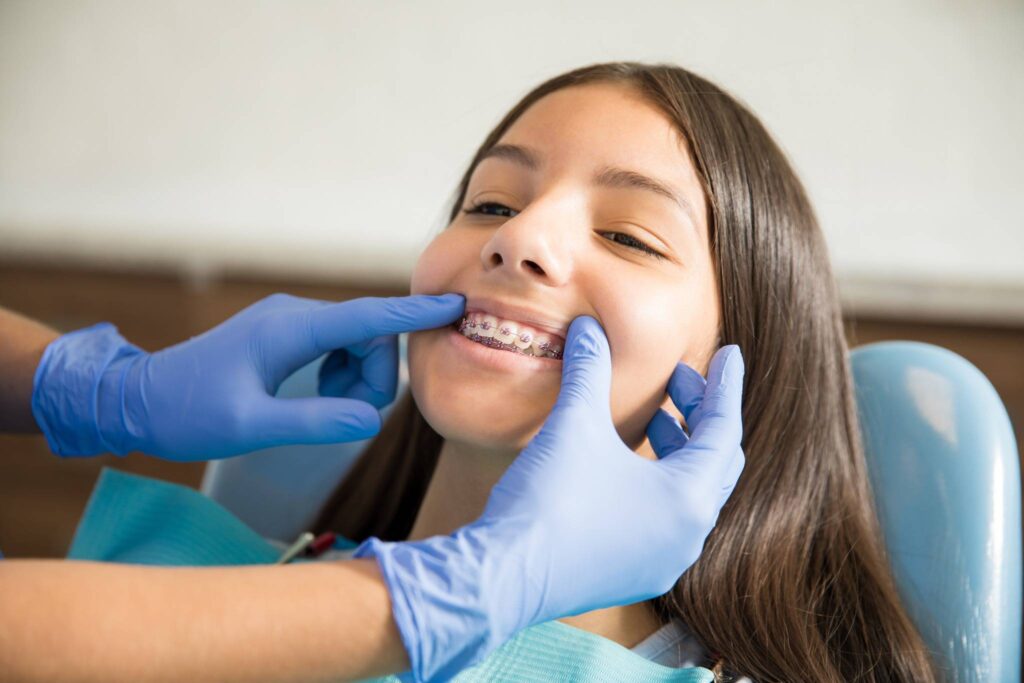
Choosing an orthodontic path is a big decision. You want straight teeth, a balanced bite, and a plan that fits your lifestyle. For many people, the choice comes down to traditional braces and clear aligners. Both can create excellent outcomes when designed and supervised by a dentist who understands your goals. This guide walks you through how each system works, who they suit best, and how to decide with confidence. We will also touch on timing, costs, and maintenance so you can move forward without guesswork in Pasadena.
How traditional braces move teeth
Metal brackets and a thin archwire make up the basic design of traditional braces. Precise adjustments to the wire apply steady force, guiding teeth into healthier positions over months. Elastic ties or clips hold the wire in place, and small bends in the wire allow fine control over root position as well as crown tip and rotation. Because the system is fixed, traditional braces are always at work, even while you sleep. This can be reassuring if you prefer a set-and-forget approach to treatment.
How clear aligners move teeth
Clear aligners use a series of custom plastic trays to shift teeth in small steps. You wear each set for one to two weeks, then switch to the next. Attachments—tiny tooth-colored bumps—give the trays better grip for complex movements. Since the trays are removable, eating and brushing stay simple. However, aligners only work when you wear them consistently, usually twenty to twenty-two hours per day. If you tend to misplace things or forget to reinsert trays after meals, traditional braces may offer a better fit for your habits.
When traditional braces shine
Some bite problems respond best to the control provided by traditional braces. Deep bites, significant rotations, and teeth that need vertical changes often benefit from brackets and wires. If your teeth are quite crowded, the precise force of traditional braces can make the early stages more efficient. Teen athletes who risk losing trays appreciate that brackets will not end up in a locker. And if you have a tendency to clench or grind, the durability of traditional braces can be an advantage.
When clear aligners shine
Many adults and image-conscious teens enjoy the discreet look of clear trays. For people who present at work, sing, or play wind instruments, the smooth surface feels more comfortable on lips and cheeks. Snackers and coffee lovers like being able to remove the trays for meals. If your case involves mild to moderate crowding or spacing, aligners are a convenient solution—as long as you can wear them as directed. But if compliance feels challenging, traditional braces may still be the smarter choice.
Hygiene and maintenance
Oral hygiene is vital during orthodontic treatment. With clear trays, you simply remove them to brush and floss. With brackets and wires, you will use floss threaders or a water flosser to clean under the archwire and around brackets. A soft-bristle brush, fluoride toothpaste, and short, angled strokes keep plaque in check. Sugar-free gum can help stimulate saliva and rinse away debris. Your dental team will coach you on techniques so your gums stay healthy whether you choose traditional braces or aligners.
Comfort and appointments
Any orthodontic system uses gentle force to move teeth, so it is normal to feel pressure for a day or two after changes. Aligners are switched at home, and brief checks ensure tracking is on schedule. With traditional braces, adjustments happen at the office, usually every six to eight weeks. Orthodontic wax provides quick relief if a bracket rubs. Clear trays have smooth edges, but new attachments can feel unusual for a few days. Either way, over-the-counter pain relievers and a soft meal help you through the transition period.
Treatment time and predictability
Most comprehensive cases finish within twelve to eighteen months, though every smile is different. Complex skeletal issues may require longer timelines or a referral to an orthodontist for phase-one care. Digital planning improves predictability for both systems. Still, traditional braces offer continuous force and unlimited fine-tuning with wire bends. If tiny midcourse corrections matter to you, the mechanical control of traditional braces can be persuasive. If you value the ability to preview each step, the staged design of aligners may feel more transparent.
Diet and lifestyle
With brackets, you will avoid sticky caramels, hard nuts, and ice to protect the wire. Sports mouthguards can be custom-fit to cover the hardware during games. With aligners, you remove the trays to eat anything you like and rinse before reinserting. Traveling? Pack your next set of trays so you can switch on schedule while away. If your routine is hectic and you want as little responsibility as possible, traditional braces keep progress moving without daily decisions.
Cost and value
Fees vary based on complexity, length of treatment, and the need for additional procedures. Many insurance plans offer orthodontic benefits for teens and sometimes for adults. Flexible financing can spread costs over time. From a value standpoint, both systems can deliver fantastic results when you follow your plan. Long term, the best investment is the one that you can maintain. If that means a fixed appliance, traditional braces give you dependable momentum. If that means removable trays, aligners give you freedom with structure.
Retention: keeping results for life
After treatment, retainers keep your new smile stable. Most patients wear clear retainers at night. Some benefit from a small bonded wire behind the front teeth to prevent relapse. Schedule regular checkups so we can monitor fit and provide replacement retainers when needed. Whether you started with traditional braces or aligners, retention is the quiet step that protects your hard-earned result.
How to decide
Start with a consultation that includes photos, digital scans, and a bite evaluation. Share your daily routine and your goals for appearance, comfort, and speed. If you know that you will not wear trays consistently, traditional braces are likely to be the wiser pick. If you want the least visible option and you enjoy routines, aligners may fit your life perfectly. In some situations, a hybrid plan begins with traditional braces to unlock space and finishes with trays for detail work. Your dentist will help you weigh these paths so your plan is realistic and effective in Pasadena.
Next steps and resources
Explore our pages to learn more about each option. Read about clear aligners on the service page and see how they can discreetly adjust spacing and crowding. Review the overview for metal brackets to understand how wires guide complex movements. If you have a big event on the calendar, ask about timeline estimates during your exam. A brief conversation can clarify whether traditional braces or trays will help you reach your target date.
Visit Eversmiles Dental
Ready to compare options in person? Schedule a consultation, meet the team, and get a personalized plan. You can call the office or use our appointment request link anytime. We will review photos, discuss comfort strategies, and outline home care so your journey stays smooth. If you prefer to start slowly, we can plan a cleaning and a scan first and talk about orthodontics afterward. The point is simple: your path to a confident smile should feel clear at every step.
Many patients choose traditional braces; traditional braces deliver control. Traditional braces guide roots. Traditional braces work steadily.
Contact and location
Practice Name: Eversmiles Dental
Doctors’ Names: Dr. Nathan (Luan) Huynh, DDS and Dr. Jenna Mai, DDS
Address: 6725 Spencer Hwy #19, Pasadena, TX 77505
Phone: (281) 741-9180
Learn more about braces here: Traditional Braces
Learn more about aligners here: Clear Aligners
Request an appointment: Schedule Online