
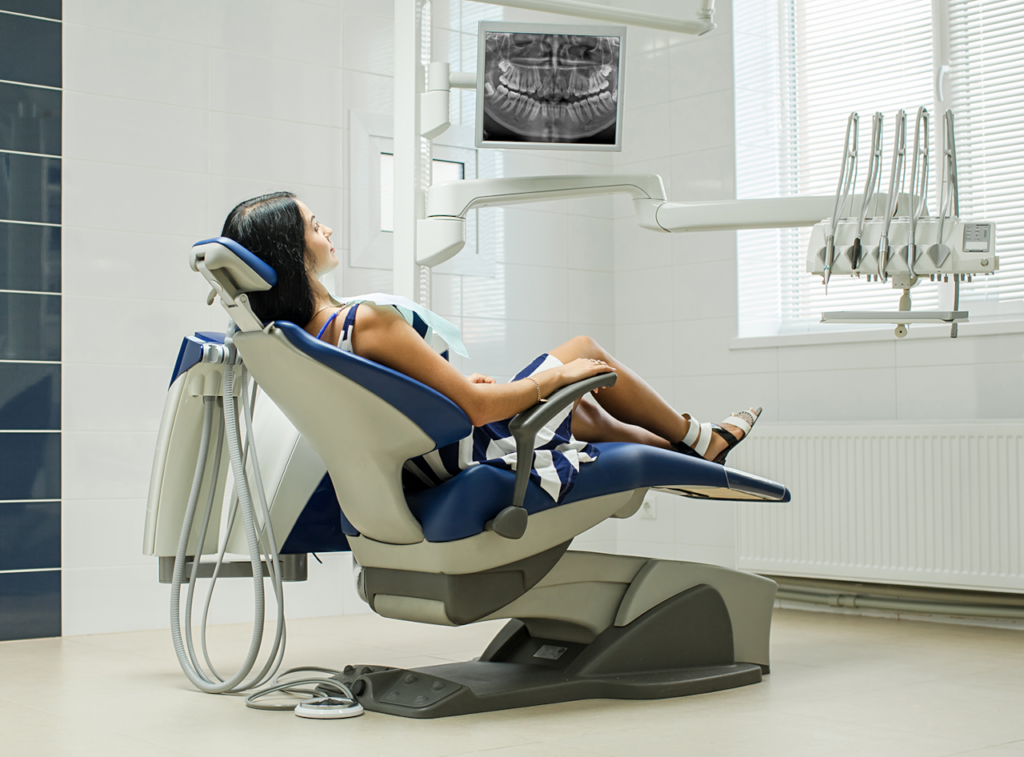
A tooth does not have to be missing to change the way your whole mouth works. Sometimes, one cracked, weakened, or heavily filled tooth can make chewing uncomfortable and leave you wondering whether that tooth can still be saved. The encouraging news is that modern dentistry offers several ways to preserve natural teeth, and dental crowns are among the most trusted restorative solutions.
Dental crowns are designed to protect teeth that need more support than a simple filling can provide. They can restore strength, improve appearance, and help a damaged tooth function normally again. For patients in Pasadena, TX, understanding how dental crowns work can make it easier to recognize when it may be time to talk with a dentist about restoring a weakened tooth.
What Are Dental Crowns?
Dental crowns are custom restorations that cover the visible portion of a tooth. You can think of a crown as a protective shell that surrounds the tooth rather than simply filling one damaged area.
A dental filling replaces a relatively small portion of lost tooth structure. Dental crowns are often recommended when a larger part of the tooth has been weakened.
A tooth may need a crown because of:
- A large cavity
- A cracked or fractured tooth
- Significant wear
- A large existing filling
- Root canal treatment
- A broken tooth
- Severe discoloration or an unusual shape
- The need to restore a dental implant
Dental crowns can be made from several materials, including ceramic, porcelain, zirconia, metal alloys, or combinations of materials. The right choice depends on where the tooth is located, how much chewing pressure it receives, the condition of the remaining tooth, and the desired appearance.
For teeth that show prominently when smiling, tooth-colored dental crowns can be carefully designed to complement surrounding natural teeth.
Why a Damaged Tooth May Need More Than a Filling
Fillings are excellent for repairing many cavities, but there is a point when a tooth no longer has enough healthy structure to support a large filling reliably.
Think of repairing a wall in a house. A small hole can usually be patched. If much of the wall has been damaged, however, simply adding a larger patch may not provide enough support. The structure itself needs reinforcement.
Dental crowns work in a similar way.
When a tooth has a very large filling, the remaining walls of the tooth may become thin. Those weakened areas can flex under biting pressure and eventually crack.
A dental crown surrounds the remaining tooth and helps distribute chewing forces more evenly.
That does not mean every damaged tooth automatically needs a crown. Dentists evaluate how much healthy structure remains, the location of the damage, the patient’s bite, and several other factors before recommending treatment.
When Are Dental Crowns Recommended?
There are several common situations where dental crowns may become part of a treatment plan.
Large Cavities
When tooth decay affects a substantial part of a tooth, there may not be enough healthy enamel remaining to securely support a traditional filling.
Removing the decay is only part of the treatment. The tooth must also be rebuilt in a way that allows it to handle everyday chewing forces.
Dental crowns can provide that added protection while helping restore the tooth’s natural shape.
Cracked Teeth
Not every tooth crack requires the same treatment. Some tiny surface cracks may cause little concern, while deeper cracks can weaken the tooth considerably.
A dental crown can sometimes hold the tooth together and reduce stress on the damaged area.
Early treatment matters because cracks can grow. Once a fracture extends too deeply into the tooth or root, saving the tooth may become more difficult.
Teeth With Large Existing Fillings
A tooth that has already received a large filling may eventually need additional support.
Fillings do not strengthen the entire tooth. Over years of chewing, the natural tooth structure surrounding a large restoration may weaken or fracture.
Dental crowns can help reinforce these teeth before more extensive damage occurs.
Teeth After Root Canal Treatment
Root canal therapy removes infected or inflamed tissue from inside a tooth. Although the procedure can preserve the natural tooth, the tooth may already have been weakened by decay, previous restorations, or structural damage.
Back teeth often receive dental crowns following root canal treatment because they must withstand significant chewing pressure.
Restoring Dental Implants
Dental crowns can also replace individual missing teeth when attached to dental implants.
In this situation, the implant acts as the replacement tooth root while the crown forms the visible portion of the new tooth.
The result is a tooth replacement that is designed to look and function much like a natural tooth.
What Happens During the Dental Crown Process?
Treatment begins with a careful examination. The dentist may use dental X-rays to evaluate the tooth, root, surrounding bone, and any existing restorations.
If a crown is appropriate, damaged or decayed areas are removed. The remaining tooth is then shaped so the dental crown can fit securely around it.
An impression or digital scan records the size, shape, and position of the prepared tooth. This information helps create a restoration that fits properly with neighboring teeth and the patient’s bite.
Depending on the type of crown and treatment process, a temporary crown may protect the tooth while the permanent restoration is being created.
When the final dental crown is ready, the dentist checks its fit, shape, bite, and appearance before securely bonding or cementing it into position.
A properly fitted crown should feel like a natural part of the mouth once the patient becomes accustomed to it.
Benefits of Dental Crowns
Professional dental organizations, including the American Dental Association, recognize crowns as an established restorative treatment for teeth that have been weakened, broken, or significantly damaged.
One major benefit of dental crowns is preservation. Whenever possible, dentistry generally aims to maintain healthy natural tooth structure rather than remove a tooth that can still be restored.
Dental crowns may provide several important benefits:
- Strengthen weakened teeth: A crown surrounds vulnerable tooth structure and provides additional support.
- Protect cracked teeth: Covering a damaged tooth can help reduce pressure on weakened areas.
- Restore chewing function: Dental crowns rebuild the shape and biting surface of damaged teeth.
- Improve tooth appearance: Tooth-colored materials can improve the shape, size, and overall appearance of a tooth.
- Protect certain root canal-treated teeth: Crowns can reinforce teeth that have lost significant natural structure.
- Complete dental implants: A custom crown can serve as the visible replacement tooth on an implant.
- Preserve natural teeth: Restoring a weakened tooth may help prevent the need for extraction.
There is an aesthetic benefit as well. Modern tooth-colored dental crowns can be designed to match the general shade and proportions of surrounding teeth.
The goal is not simply to cover a damaged tooth. It is to create a restoration that functions comfortably within the entire bite.
Can Dental Crowns Look Natural?
One of the biggest changes in restorative dentistry has been the development of highly natural-looking dental materials.
Older crowns were often easy to spot, particularly when metal was visible near the gumline. Modern ceramic, porcelain, and zirconia restorations provide dentists with more options for matching the color and appearance of natural teeth.
A crown can be designed around the shape, size, and shade of neighboring teeth.
This becomes especially important when restoring a front tooth.
Natural teeth are not simply one solid shade of white. They have subtle variations in color and translucency. Thoughtful crown design takes those details into account.
For back teeth, strength and durability may play a larger role because molars experience significant chewing forces.
The material selected should balance appearance, function, location, and the patient’s individual needs.
How Long Do Dental Crowns Last?
Dental crowns are designed for long-term use, but they are not indestructible.
Their lifespan depends on the crown material, oral hygiene, biting habits, diet, tooth condition, and amount of force placed on the restoration.
Someone who frequently chews ice, bites pens, opens packages with their teeth, or grinds their teeth at night can place unnecessary stress on both crowns and natural teeth.
Daily oral hygiene matters too.
Although the crown itself cannot develop a cavity in the same way natural enamel can, the tooth underneath remains vulnerable to decay around the edge of the restoration. Gum disease can also affect the tissues supporting the tooth.
Regular brushing, flossing, professional cleanings, and dental examinations remain important after receiving dental crowns.
Does Getting a Dental Crown Hurt?
Comfort is one of the most common concerns patients have about restorative treatment.
Local anesthesia is typically used while a tooth is being prepared for a crown. This numbs the treatment area and helps keep the procedure comfortable.
Some temporary sensitivity may occur after treatment, particularly around the gumline or when biting. This often improves as the tooth and surrounding tissues settle.
A temporary crown may also feel slightly different from a permanent restoration.
Once the final dental crown is placed, the dentist checks how the upper and lower teeth meet. Even a small difference in the bite can make a newly restored tooth feel unusual.
Persistent pain, a bite that feels unusually high, or a loose crown should be evaluated rather than ignored.
Modern dentistry offers many ways to make restorative procedures comfortable, so concerns about sensitivity or dental anxiety should always be discussed before treatment begins.
Caring for Dental Crowns at Home
Dental crowns do not require a complicated care routine. In many ways, caring for a crown is similar to caring for natural teeth.
Brush twice each day with fluoride toothpaste and clean between the teeth daily.
Pay special attention to the area where the crown meets the gumline because plaque can collect there. Keeping this area clean helps protect both the underlying tooth and surrounding gums.
Avoid using crowned teeth as tools.
Opening packaging, biting fingernails, chewing ice, and crunching hard objects can place unnecessary stress on restorations.
Patients who grind or clench their teeth may also benefit from discussing a protective nightguard with their dentist.
Nighttime grinding can generate significant force. Over time, that pressure can damage natural teeth as well as crowns, veneers, fillings, and other restorations.
And, of course, keep up with regular dental visits. A dentist can monitor the crown, surrounding gums, bite, and underlying tooth for early signs of trouble.
What Happens If a Dental Crown Becomes Loose?
A loose dental crown should not be ignored, even if the tooth does not hurt.
Cement can weaken over time, decay can sometimes develop around the crown, or changes in the underlying tooth can affect the restoration.
If a crown comes completely off, keep it and contact the dental office.
Do not attempt to permanently reattach it with household glue. These products are not designed for use in the mouth and can damage tissues or make professional treatment more difficult.
The dentist will need to determine why the crown became loose.
Sometimes the existing crown can be reattached. In other situations, the tooth or restoration may need additional treatment.
Addressing the problem early can help protect the exposed tooth.
Dental Crowns and Your Overall Bite
A successful dental crown does more than look attractive.
It needs to function properly within the patient’s bite.
Every time you chew, forces travel through your teeth. If a crown is too high or shaped incorrectly, it may receive more pressure than intended.
That can lead to discomfort and may place unnecessary stress on the restoration.
This is why dentists carefully check how the teeth come together before completing treatment.
The contact between neighboring teeth matters too. Food should not constantly become trapped beside a crown, and floss should be able to clean the area effectively.
Small details make a big difference.
A restoration that fits properly should work as part of the entire mouth rather than feeling like an isolated repair.
Why Saving a Natural Tooth Matters
Removing a damaged tooth may sometimes seem like the simplest answer, but losing a tooth can create additional dental concerns.
Nearby teeth may begin shifting toward the empty space. Chewing forces can change. The opposing tooth may gradually move because it no longer contacts another tooth normally.
Bone in the area can also change after tooth loss because it no longer receives the same stimulation from a natural tooth root.
Replacing the missing tooth may then require a dental implant, bridge, or removable restoration.
When a damaged tooth can be predictably restored, dental crowns may provide a way to preserve the natural foundation already present.
Every situation is different, of course.
A severely fractured, decayed, or infected tooth cannot always be saved. A thorough examination helps determine whether restoration or replacement provides the healthier long-term approach.
When Should You Have a Damaged Tooth Examined?
Pain is not the only reason to schedule an evaluation.
A tooth may need attention if you notice:
- A visible crack
- A broken piece of tooth
- Sensitivity when chewing
- A filling that feels loose
- A rough or sharp edge
- Food repeatedly becoming trapped around one tooth
- A tooth that appears darker than surrounding teeth
- A crown that moves or feels different
- Persistent sensitivity to hot or cold
Dental problems are often easier to address before significant pain develops.
Waiting until a tooth becomes extremely painful can reduce the number of conservative treatment options available.
A dentist can determine whether the tooth needs a filling, dental crown, root canal, another restorative procedure, or simply continued monitoring.
A Stronger Future for a Weakened Tooth
A damaged tooth does not automatically mean a lost tooth. Dental crowns can restore strength, protect vulnerable tooth structure, improve appearance, and help patients return to comfortable everyday chewing.
The key is addressing damage before it progresses. A small crack, large filling, or weakening tooth can become a much larger problem when repeated chewing forces continue placing pressure on it. Dental crowns give dentists a way to reinforce teeth while preserving as much natural structure as possible.
If you have a cracked, worn, heavily filled, or damaged tooth, schedule an evaluation with Ever Smiles Dental at 6725 Spencer Hwy #19 in Pasadena, TX 77505. Call 218-741-9180 to book an appointment and learn whether a dental crown could help protect and restore your smile.