
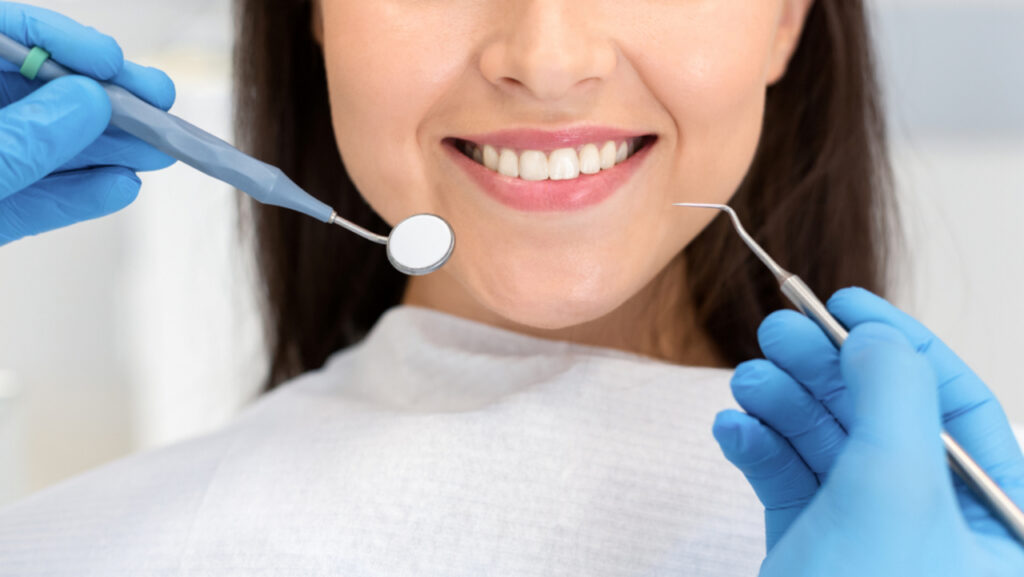
A cup of coffee in the morning, a glass of tea with lunch, and years of favorite foods can gradually leave their mark on teeth. The change often happens so slowly that it is easy to miss. Then an older photograph pops up, and suddenly the difference in tooth color is much easier to see. Teeth naturally change shade over time, but that does not mean every stain has to stay.
Professional teeth whitening is designed to reduce many common stains and brighten natural tooth enamel in a controlled way. While store shelves are packed with whitening strips, toothpastes, gels, pens, and kits, professional treatment provides something those products cannot always offer: a whitening plan based on the condition of your actual teeth.
For patients considering cosmetic dental care in Pasadena, TX, understanding what professional teeth whitening can and cannot accomplish is an important first step toward choosing the right treatment.
Why Do Teeth Become Stained?
Natural teeth are not actually pure white.
Tooth color comes from a combination of the outer enamel and the layer underneath it, called dentin. Everyone starts with a slightly different natural shade. Some people have naturally brighter enamel, while others have warmer ivory, yellow, or gray undertones.
As the years pass, tooth color can change.
Common causes of discoloration include:
- Coffee
- Tea
- Red wine
- Dark sodas
- Tobacco products
- Certain strongly colored foods
- Natural aging
- Some medications
- Previous dental trauma
- Changes within the tooth
Some stains develop mainly on the outside of the teeth. These are often called surface or extrinsic stains.
Other discoloration develops within the tooth structure itself. These internal or intrinsic stains can be more difficult to change with conventional professional teeth whitening.
This distinction matters because not every type of discoloration responds to whitening in the same way.
How Does Professional Teeth Whitening Work?
Most professional teeth whitening treatments rely on whitening agents such as hydrogen peroxide or carbamide peroxide.
These materials penetrate the outer tooth structure and help break down stain molecules. As the concentrated pigments are broken apart, the teeth begin to appear lighter.
Whitening does not work by simply scraping stains away.
That is an important distinction.
Some highly abrasive products may make teeth appear cleaner by removing surface buildup, but repeated aggressive abrasion can also contribute to enamel wear.
Professional teeth whitening uses whitening chemistry rather than relying primarily on abrasion.
Depending on the system used, whitening may be performed in a dental office, through a dentist-supervised take-home system, or through a combination of approaches.
The appropriate method depends on the patient’s teeth, existing restorations, sensitivity, oral health, and cosmetic goals.
Why Have a Dental Examination Before Whitening?
This step is easy to overlook, especially when whitening products are available almost everywhere.
Yet there is an important reason to examine the mouth first.
Imagine whitening a tooth that actually has an untreated cavity. Or placing whitening gel over gums that are already inflamed and irritated. The cosmetic goal may be straightforward, but the health of the mouth still matters.
A dental examination can identify cavities, gum problems, damaged restorations, exposed roots, cracks, and other conditions that may affect professional teeth whitening.
The dentist can also determine whether the type of discoloration is likely to respond well to treatment.
Sometimes what appears to be a stain is actually something else.
A dark area might be tooth decay. One tooth that suddenly changes color could have experienced trauma or damage to the tissue inside it. Tartar buildup can also make teeth look darker or more yellow.
Professional evaluation helps make sure the correct problem is being treated.
Professional Teeth Whitening vs. Store-Bought Whitening
Walk into almost any pharmacy and you will find an entire section devoted to teeth whitening.
There are strips, pens, toothpastes, rinses, trays, gels, powders, and LED devices.
Some over-the-counter whitening products can improve mild surface discoloration when used correctly. So why consider professional teeth whitening?
One major difference is supervision.
A dentist can first determine whether whitening is appropriate and help select a treatment based on the patient’s needs.
Another difference may be the whitening formulation and treatment process. Professional systems can provide a controlled approach while protecting gum tissues and monitoring sensitivity.
Customization also matters.
Store-bought products are designed for the general public. They cannot account for the exact shape of your teeth, the position of your gums, previous dental work, tooth sensitivity, or the reason your teeth have changed color.
Professional teeth whitening begins with those details rather than treating every smile exactly the same.
What Types of Stains Respond to Professional Teeth Whitening?
Professional teeth whitening can be effective for many stains associated with food, beverages, tobacco use, and normal aging.
Yellow or brown discoloration often responds well.
However, results vary.
Gray discoloration, certain medication-related stains, and teeth that have darkened because of trauma may respond differently.
That does not necessarily mean the appearance cannot be improved. It may simply mean another cosmetic treatment would provide a more predictable result.
Porcelain veneers or dental bonding, for example, can sometimes address discoloration that does not respond sufficiently to whitening.
The right treatment depends on why the tooth looks darker in the first place.
Benefits of Professional Teeth Whitening
Professional guidance from organizations such as the American Dental Association recognizes peroxide-based whitening as an established approach for reducing certain types of tooth discoloration when used appropriately.
Professional teeth whitening offers several potential benefits:
- Customized treatment: Whitening can be planned around the patient’s existing tooth color and cosmetic goals.
- Professional supervision: A dentist can monitor the teeth and gums throughout the whitening process.
- Gum protection: Professional techniques can help limit unnecessary exposure of gum tissue to whitening materials.
- Sensitivity management: Treatment can be adjusted for patients who experience tooth sensitivity.
- More noticeable improvement: Professional-strength approaches may provide greater whitening than some low-strength products.
- Evaluation of existing dental work: Crowns, fillings, veneers, and bridges can be considered before whitening begins.
- Personalized maintenance guidance: Patients can receive recommendations for keeping their results looking brighter.
There is another benefit that is less obvious: professional teeth whitening can help establish realistic expectations.
Not every smile needs to become extremely white.
A natural-looking improvement is often more attractive than choosing the lightest possible shade without considering the rest of the person’s features.
What Happens to Crowns, Veneers, and Fillings?
This is one of the most important things to understand before professional teeth whitening.
Dental restorations do not whiten like natural enamel.
Porcelain veneers, dental crowns, composite fillings, and bridges generally maintain their existing shade while the surrounding natural teeth become lighter.
This can create a mismatch if visible restorations are located near the front of the mouth.
For example, imagine someone has a crown on a front tooth that currently matches the surrounding teeth. If professional teeth whitening makes the natural teeth several shades brighter, that crown may suddenly appear darker.
Planning can help prevent surprises.
If a patient is already considering replacing an older front restoration, a dentist may recommend completing professional teeth whitening first. The new restoration can then be matched to the brighter tooth shade.
The order of cosmetic treatment can make a significant difference.
Does Professional Teeth Whitening Cause Sensitivity?
Temporary sensitivity is one of the most common concerns associated with professional teeth whitening.
Some patients notice that their teeth become more responsive to cold drinks, cool air, or certain foods during or shortly after treatment.
This sensitivity is often temporary.
Patients who already have sensitive teeth should mention it before whitening begins.
A dentist may adjust the strength, frequency, or length of treatment based on the patient’s response.
Desensitizing toothpaste may also be recommended before, during, or after professional teeth whitening.
More whitening is not always better.
Using whitening products too frequently, leaving them on longer than directed, or combining several whitening methods can increase sensitivity and irritate gum tissues.
Following instructions matters.
Can Professional Teeth Whitening Damage Enamel?
This is a common concern, and it is one reason patients should be careful with whitening trends found online.
Whitening products should be used according to professional or manufacturer instructions.
The goal of professional teeth whitening is to alter stain molecules without unnecessarily damaging healthy tooth structure.
Problems are more likely when people misuse products, whiten excessively, or apply substances that were never intended for dental use.
Social media has produced plenty of unusual whitening ideas over the years, from highly abrasive powders to acidic household ingredients.
A brighter smile is not worth damaging enamel.
Enamel does not simply grow back once significant amounts are lost.
Before experimenting with a whitening trend, ask whether the product was actually designed and evaluated for use on teeth.
How White Should Teeth Become?
There is a surprising amount of artistry involved in cosmetic dentistry.
Natural teeth are not sheets of perfectly uniform white.
They contain subtle differences in shade, translucency, texture, and reflection.
The brightest shade available is not automatically the most attractive choice for every person.
Professional teeth whitening should enhance the smile rather than make it look unnatural.
Some patients want a noticeable change before a wedding, graduation, reunion, vacation, or professional event. Others simply want to remove years of staining and return closer to their previous natural shade.
Both are reasonable goals.
The important part is setting expectations before treatment begins.
How Long Do Professional Teeth Whitening Results Last?
Professional teeth whitening is not permanent.
Once treatment is completed, teeth remain exposed to the same foods, beverages, and habits that contributed to staining in the first place.
However, daily habits can influence how long the brighter appearance remains noticeable.
Coffee lovers do not necessarily have to give up coffee forever.
Rinsing with water after drinking dark beverages can reduce the amount of pigment that remains against the enamel.
Drinking certain beverages through a straw may reduce direct contact with front teeth.
Regular brushing and professional cleanings also help control surface buildup.
Tobacco products can quickly contribute to discoloration and carry additional oral health risks, making avoidance especially important.
Some patients may benefit from occasional whitening touch-ups. How often those are appropriate depends on the whitening system, sensitivity, and individual dental needs.
What Can You Do to Maintain a Brighter Smile?
Professional teeth whitening is only one part of keeping teeth looking their best.
Daily oral hygiene remains essential.
Brush twice each day with fluoride toothpaste. Clean between your teeth daily using floss or another recommended interdental cleaner.
Professional dental cleanings are useful too.
Certain stains and tartar buildup cannot be removed effectively with ordinary brushing at home. A professional cleaning can remove buildup and help restore a cleaner surface.
Be cautious with heavily pigmented foods and drinks immediately following whitening treatment, especially if your dentist recommends doing so.
And avoid using your teeth as tools. Chips and cracks can affect the appearance of a smile far more than minor discoloration.
Is Professional Teeth Whitening Right for Everyone?
Not necessarily.
That is another reason an examination matters.
Patients with untreated cavities, significant gum inflammation, certain types of tooth sensitivity, or other oral health problems may need those conditions addressed before professional teeth whitening.
Whitening is also designed primarily for natural tooth structure.
Someone whose cosmetic concern involves multiple crowns or veneers may need a different approach.
Pregnancy, age, dental history, and the cause of discoloration may also influence treatment recommendations.
The goal is not to sell whitening to everyone who asks about it. The goal is to determine whether whitening is a suitable way to achieve the patient’s desired result.
Professional Teeth Whitening as Part of a Smile Makeover
Sometimes professional teeth whitening is all a patient needs to reach a cosmetic goal.
Other times, it becomes one step in a broader treatment plan.
Consider someone with healthy teeth that have become stained over time along with one chipped front tooth.
Professional teeth whitening might be completed first. Once the desired shade is reached, dental bonding could then repair the chipped tooth using a material selected to match the brighter smile.
Another patient may have older front crowns that no longer look natural. Whitening the surrounding natural teeth first can establish the shade for replacement restorations.
This type of planning helps different cosmetic treatments work together.
Professional teeth whitening does not have to exist as an isolated procedure. It can provide the starting point for a more complete smile refresh when additional concerns are present.
Whitening Toothpaste: Helpful or Hype?
Whitening toothpastes can help remove some surface stains, but they generally work differently from professional teeth whitening.
Many rely partly on mild abrasives that polish away external staining.
This can help teeth look cleaner, particularly when stains are caused by coffee, tea, or similar substances.
However, whitening toothpaste typically does not create the same type of shade change that peroxide-based professional teeth whitening can achieve.
Patients should also avoid becoming too aggressive with brushing.
Scrubbing harder does not make whitening happen faster. In fact, overly aggressive brushing can irritate gums and contribute to wear around the gumline.
Gentle, consistent brushing wins the race here.
Why Oral Health Comes Before Tooth Color
A bright smile can be attractive, but healthy teeth and gums are the real foundation.
Professional teeth whitening does not treat cavities.
It does not cure gum disease.
It does not repair cracked teeth.
And it cannot replace routine preventive dental care.
That may sound obvious, but cosmetic goals can sometimes distract from health concerns that need attention first.
Once the mouth is healthy, professional teeth whitening can become a conservative way to improve appearance without significantly changing the shape of natural teeth.
That is one reason whitening remains such a popular cosmetic option.
A Brighter Smile With a Thoughtful Plan
Professional teeth whitening offers a relatively conservative way to refresh a smile without changing the basic shape or structure of healthy teeth. It can reduce many common stains caused by foods, drinks, tobacco, and natural aging while allowing treatment to be planned around sensitivity, restorations, gum health, and natural tooth color.
The goal is not simply to make teeth as white as possible. A successful result should look healthy, balanced, and natural for the individual patient. Starting with a professional evaluation can also reveal whether whitening is truly the right cosmetic solution or whether another treatment may produce a better result.
If you are considering professional teeth whitening in Pasadena, TX, contact Ever Smiles Dental at 6725 Spencer Hwy #19, Pasadena, TX 77505. Call 218-741-9180 to schedule a consultation and learn which whitening approach may be right for your smile.