
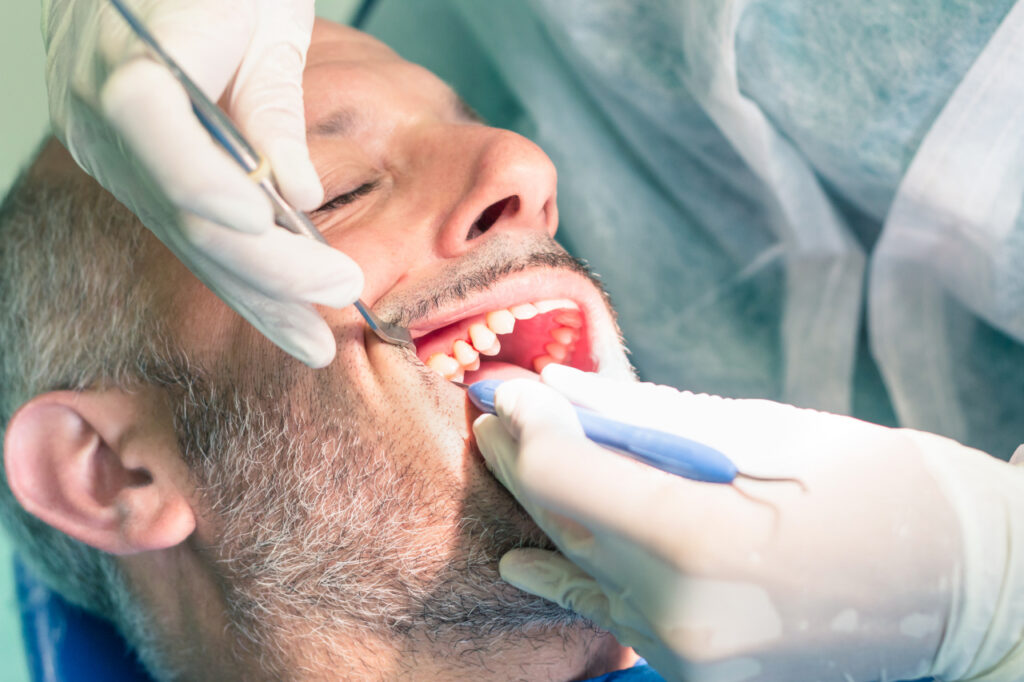
Some of the most valuable dental treatments are the ones you never end up needing. A cavity caught early may never progress to the point where a tooth needs more extensive treatment. Gum inflammation addressed promptly may never develop into advanced gum disease. A small crack discovered during an exam may be protected before part of the tooth breaks. It is a simple idea, but a powerful one: caring for small things now can help prevent much bigger dental problems later.
That is the quiet strength of preventive dental care.
Preventive dental care is not one procedure. It is an ongoing approach to keeping the teeth, gums, and supporting structures healthy while identifying potential problems as early as possible. It combines good habits at home with professional examinations, cleanings, diagnostic tools, and personalized recommendations from a dental team.
For individuals and families in Pasadena, TX, preventive dental care can provide a strong foundation for maintaining healthy, comfortable teeth through every stage of life.
What Is Preventive Dental Care?
Preventive dental care includes the everyday and professional steps used to reduce the risk of cavities, gum disease, tooth damage, and avoidable tooth loss.
At home, that includes familiar habits such as brushing and cleaning between the teeth.
At the dental office, preventive care can include:
- Comprehensive dental examinations
- Routine dental cleanings
- Dental X-rays when appropriate
- Gum health evaluations
- Oral cancer screenings
- Fluoride treatments when recommended
- Dental sealants for appropriate patients
- Evaluation of existing fillings and crowns
- Bite assessments
- Monitoring of tooth wear
- Personalized home-care recommendations
The purpose is not simply to look for cavities.
A preventive dental visit allows the dentist to evaluate the mouth as a complete system. Teeth, gums, bone, existing restorations, bite, jaw function, and soft tissues all play a role in long-term oral health.
The information collected during these appointments also creates a useful history. A dentist can compare changes from one visit to the next instead of looking at each appointment in isolation.
Why Regular Dental Exams Matter
Many dental problems develop quietly.
Early tooth decay may not hurt at all. Gum disease can progress with few obvious symptoms. Small fractures may remain hidden until part of a tooth suddenly breaks.
This creates an interesting problem: waiting until something hurts is not always a reliable way to judge dental health.
Pain often appears after a condition has already progressed.
Regular examinations give dentists an opportunity to identify changes before symptoms become severe.
During an examination, a dentist may evaluate the teeth for decay, cracks, wear, and failing restorations. Gum tissues can be checked for inflammation and periodontal disease. Existing crowns, bridges, fillings, dentures, or dental implants can also be monitored.
The bite may be examined for signs of grinding or unusual wear.
Preventive dental care turns these small clues into useful information.
Why Dental X-Rays May Be Part of Preventive Care
A dentist can learn a great deal by looking inside the mouth, but not every dental problem is visible to the naked eye.
Some areas simply cannot be seen directly.
Dental X-rays can help identify problems between teeth, beneath existing restorations, around tooth roots, and within supporting bone.
For example, decay may develop between neighboring teeth while the visible surfaces still appear normal.
Changes around the root of a tooth may also be difficult to identify without imaging.
The frequency and type of dental X-rays needed vary from patient to patient. Someone with a history of frequent cavities may have different needs than a patient who has maintained excellent oral health for years.
Preventive dental care should be based on individual risk rather than treating every patient exactly the same.
Professional Cleanings Do More Than Polish Teeth
Brushing and flossing are essential, but they cannot always remove everything.
Plaque is a soft bacterial film that continually forms on the teeth.
If plaque is not removed effectively, minerals in saliva can cause it to harden into tartar, also called calculus.
Once tartar forms, ordinary brushing cannot simply scrub it away.
Professional dental cleanings remove plaque and tartar from areas that are difficult to clean effectively at home.
This is especially important around the gumline and between teeth.
Cleanings also give dental professionals an opportunity to identify areas where plaque repeatedly accumulates.
Sometimes the solution is surprisingly simple.
A patient may need to change the angle of the toothbrush, spend a little more time cleaning the back molars, or use a different tool between certain teeth.
Small adjustments can have a meaningful effect when repeated every day.
The Connection Between Plaque and Healthy Gums
Healthy gums provide essential support around the teeth.
When plaque collects along the gumline, the tissues can become irritated. They may appear red or swollen and may bleed during brushing or flossing.
This early stage of gum disease is commonly called gingivitis.
The encouraging news is that gingivitis can often improve when plaque is effectively removed and consistent oral hygiene is maintained.
If inflammation progresses deeper into the supporting tissues, however, periodontal disease can develop.
Advanced gum disease can damage the bone and tissues holding teeth in place.
Over time, teeth may become loose or even be lost.
That is why bleeding gums should not simply be accepted as normal.
Preventive dental care provides an opportunity to identify gum inflammation and address the cause before more significant damage develops.
Benefits of Preventive Dental Care
Professional guidance from organizations such as the American Dental Association and Centers for Disease Control and Prevention supports regular oral hygiene, fluoride exposure, professional dental care, and other preventive measures as important tools for reducing common oral diseases.
The benefits of preventive dental care extend well beyond having clean teeth.
Regular preventive care can:
- Help reduce the risk of cavities: Daily hygiene, fluoride, professional cleanings, and other preventive measures can protect tooth enamel.
- Identify tooth decay earlier: Small areas of decay may require less extensive treatment than advanced cavities.
- Support healthy gums: Removing plaque and tartar helps control the bacteria associated with gum inflammation.
- Monitor existing dental work: Fillings, crowns, bridges, dentures, and implants can be checked for signs of wear or damage.
- Identify cracked or weakened teeth: Finding structural problems early may provide more options for protecting the tooth.
- Monitor grinding and tooth wear: Changes in enamel can reveal habits that may otherwise go unnoticed.
- Help children establish healthy habits: Early preventive dental care can create routines that continue into adulthood.
- Reduce the risk of avoidable tooth loss: Preventing or treating disease early can help preserve natural teeth.
- Support long-term comfort and function: Healthy teeth and gums make everyday chewing and speaking easier.
- Give patients a clearer understanding of their oral health: Regular visits replace guesswork with professional information.
There can also be a practical advantage.
Treating a small problem is often simpler than treating that same condition after it has progressed.
A small cavity may require a filling. If decay continues deeper into the tooth, root canal treatment may eventually become necessary.
If too much tooth structure is lost or the tooth becomes severely damaged, extraction and tooth replacement could become part of the discussion.
Preventive dental care aims to interrupt that progression whenever possible.
Brushing Is Simple, but Technique Matters
Most people know they should brush their teeth.
How they brush matters too.
The American Dental Association generally recommends brushing twice each day with fluoride toothpaste.
A soft-bristled toothbrush is usually appropriate for everyday cleaning.
Use gentle pressure.
Scrubbing harder does not automatically make teeth cleaner. Aggressive brushing can irritate gum tissues and contribute to wear around the gumline.
Take enough time to clean the outer, inner, and chewing surfaces of the teeth.
The back molars are particularly easy to miss, especially along the cheek side.
Electric and manual toothbrushes can both be effective when used correctly.
For some patients, an electric toothbrush makes consistent cleaning easier. Others do perfectly well with a manual brush.
The important part is not owning the fanciest toothbrush available. It is using the toothbrush thoroughly and consistently.
Why Cleaning Between Your Teeth Is Essential
A toothbrush cannot effectively clean every surface between neighboring teeth.
That is where floss or another interdental cleaning method becomes important.
Plaque that remains between teeth can contribute to cavities and gum inflammation.
Traditional dental floss works well for many people, but it is not the only choice.
Floss holders, interdental brushes, water flossers, and other cleaning aids may be helpful depending on tooth spacing, dexterity, orthodontic appliances, or existing dental restorations.
The most appropriate method is one that safely cleans the area and can realistically become part of a daily routine.
Consistency wins here.
A heroic flossing session once every few weeks cannot replace regular cleaning.
Developing a routine that feels manageable is far more useful than attempting perfection for a few days and then abandoning the habit.
The Important Role of Fluoride
Fluoride has played an important role in cavity prevention for decades.
Tooth enamel is continually exposed to acids created by bacteria and certain foods. These acids can remove minerals from enamel.
Fluoride supports the remineralization process and can help make tooth enamel more resistant to acid attacks.
That is one reason fluoride toothpaste is widely recommended.
Some patients may also benefit from professional fluoride treatments depending on their age, cavity risk, dry mouth, dental history, or other factors.
Someone who frequently develops cavities may have different preventive needs from someone who has maintained a very low cavity risk.
Again, preventive dental care works best when it is personalized.
Dental Sealants and Cavity Prevention
Back teeth contain natural grooves and pits that help with chewing.
Unfortunately, those same grooves can trap food particles and bacteria.
Even careful brushing may have difficulty reaching the deepest portions of these surfaces.
Dental sealants create a thin protective coating over vulnerable chewing surfaces.
Sealants are often associated with children and teenagers because newly erupted permanent molars can be particularly vulnerable to decay.
Whether dental sealants are appropriate depends on the individual tooth and patient’s cavity risk.
They do not replace brushing, cleaning between teeth, fluoride, or regular dental visits.
Instead, they provide another layer of protection in areas where decay may otherwise develop.
Preventive Dental Care for Children
Childhood is an ideal time to establish healthy dental habits.
Children are learning how to brush, what foods affect their teeth, and whether visiting the dentist feels routine or frightening.
Positive preventive experiences can shape those attitudes for years.
Parents and caregivers can help by making brushing part of the normal daily schedule rather than treating it as an occasional chore.
Young children often need help brushing until they develop enough coordination to clean thoroughly on their own.
Regular dental visits also allow developing teeth and bite patterns to be monitored.
Permanent teeth do not all appear at once. The mouth changes considerably throughout childhood and adolescence.
Preventive dental care during these years is about much more than protecting baby teeth. It establishes habits and monitors development as the permanent smile takes shape.
Preventive Dental Care for Adults
Adults face a different set of dental challenges.
Older fillings may begin wearing down.
Teeth may develop cracks after years of chewing.
Gum recession can expose sensitive root surfaces.
Years of grinding or clenching may gradually shorten or weaken teeth.
Medications and health changes can also affect saliva flow and oral health.
Preventive dental visits provide an opportunity to track these changes over time.
This is especially helpful because dentists can compare current findings with previous examinations and dental X-rays.
A small change that might seem meaningless by itself can become important when viewed as part of a longer pattern.
Preventive Care for Dental Crowns, Bridges, and Implants
Restored teeth still need preventive care.
A dental crown cannot develop a cavity itself, but the natural tooth underneath it can develop decay near the edge of the restoration.
Dental bridges require careful cleaning around and underneath replacement teeth.
Patients with dental implants still need healthy gums and supporting bone around their restorations.
This is why completing restorative treatment does not mean preventive dental care is finished.
In some ways, maintaining dental work becomes even more important because those restorations represent an investment in preserving or rebuilding the smile.
Professional examinations can monitor how restorations are holding up and identify problems before they become larger.
Diet Matters, and It Is Not Only About Sugar
Sugar plays an important role in cavity formation, but frequency matters too.
Every time certain carbohydrates are consumed, bacteria in the mouth can produce acids that temporarily lower the pH around the teeth.
Frequent snacking may expose teeth to repeated acid attacks throughout the day.
That means sipping a sugary drink for several hours can affect teeth differently than having the same beverage during a meal.
Water is generally a tooth-friendly beverage, especially compared with drinks containing sugar or acids.
A balanced diet also supports the gums and other tissues throughout the mouth.
Patients do not need to treat every cookie like a dental emergency.
Oral health is about patterns.
What happens repeatedly over months and years matters far more than an occasional treat.
Dry Mouth Can Increase Dental Risk
Saliva does much more than keep the mouth comfortable.
It helps wash away food particles, neutralize acids, and protect tooth enamel.
When saliva production decreases, cavity risk may increase.
Dry mouth can occur for many reasons, including certain medications, medical conditions, dehydration, or other factors.
Someone experiencing persistent dry mouth should mention it during a dental appointment.
A dentist may recommend changes to home care or additional preventive measures based on the cause and severity.
Simply drinking more water can be helpful for some people, but persistent dry mouth deserves attention rather than being dismissed as a minor inconvenience.
What About Patients Who Have Not Seen a Dentist in Years?
This is more common than many people think.
People postpone dental care for all sorts of reasons, including busy schedules, dental anxiety, previous experiences, finances, relocation, or simply losing track of time.
Returning to preventive dental care does not require having a perfect dental history.
There is little value in focusing on what should have happened three years ago.
The useful question is: What does your mouth need now?
An examination establishes a starting point.
Some patients discover that very little treatment is needed.
Others may need restorative or gum care before returning to a routine preventive schedule.
Either way, knowing is more useful than wondering.
Ever Smiles Dental can evaluate the current condition of the teeth and gums and help establish an appropriate care plan moving forward.
How Often Should You Visit the Dentist?
Many patients are familiar with the idea of visiting the dentist every six months.
That schedule works well for many people, but there is not necessarily one perfect interval for every patient.
Someone with a history of gum disease, frequent cavities, extensive dental restorations, or other risk factors may need more frequent professional care.
Another patient with consistently healthy teeth and gums may have different needs.
The appropriate schedule should be based on oral health, risk factors, and professional recommendations.
Preventive dental care works best when it responds to the individual rather than following a rigid formula.
Prevention Can Help Preserve Natural Teeth
One of the central goals of dentistry is preserving healthy natural teeth whenever possible.
A natural tooth has its own root, surrounding ligament, nerve structure, and relationship with the jawbone.
Modern dentistry offers excellent options for replacing missing teeth, including bridges, dentures, and dental implants.
Still, preventing avoidable tooth loss remains valuable.
A cavity treated while it is small may never reach the nerve.
Gum disease managed early may never cause serious bone loss.
A weakened restoration replaced before it fails may help prevent a larger fracture.
These are not dramatic moments, but they add up.
Preventive dental care is often successful precisely because nothing dramatic happens.
Oral Health Changes With Age
Preventive care is not just for children and young adults.
Dental needs continue changing throughout life.
As people age, gum recession may expose more of the tooth roots.
Older restorations may require closer monitoring.
Certain medications can contribute to dry mouth.
Arthritis or reduced hand mobility may make brushing and flossing more difficult.
Changes in diet, health, and daily routines can also influence oral hygiene.
Preventive dental care can adapt alongside these changes.
Different toothbrushes, interdental cleaning tools, fluoride products, or professional care schedules may make maintaining oral health easier.
There is no age when keeping natural teeth healthy stops being worthwhile.
Prevention Is a Long-Term Strategy
Preventive dental care may not sound as dramatic as porcelain veneers, dental implants, or a complete smile restoration.
Yet it plays a major role in helping patients avoid the conditions that make more complex dental treatment necessary.
Healthy teeth still need attention.
Healthy gums still need monitoring.
Dental work completed years ago still needs to be checked.
And home care still matters between every appointment.
The goal is not perfection. It is consistency.
A few minutes of daily care, combined with appropriate professional visits, can protect teeth year after year.
That is the beauty of prevention. Small actions may not seem impressive on a random Tuesday morning, but repeated over a lifetime, they can make an enormous difference.
Protecting the Smile You Already Have
Preventive dental care is built around a simple idea: preserve oral health before disease or damage has the opportunity to take more away. Regular examinations, professional cleanings, fluoride, daily brushing, cleaning between the teeth, and thoughtful eating habits all contribute to that goal.
Just as importantly, preventive visits allow small changes to be identified while treatment may still be simpler. Whether you have a completely natural smile or several existing restorations, ongoing care helps protect the teeth, gums, and dental work you depend on every day.
To establish or continue your preventive dental care in Pasadena, TX, contact Ever Smiles Dental at 6725 Spencer Hwy #19, Pasadena, TX 77505. Call 281-741-9180 or book an appointment with Ever Smiles Dental to meet with Dr. Nathan (Luan) Huynh, DDS and take the next step toward keeping your smile healthy for years to come.