
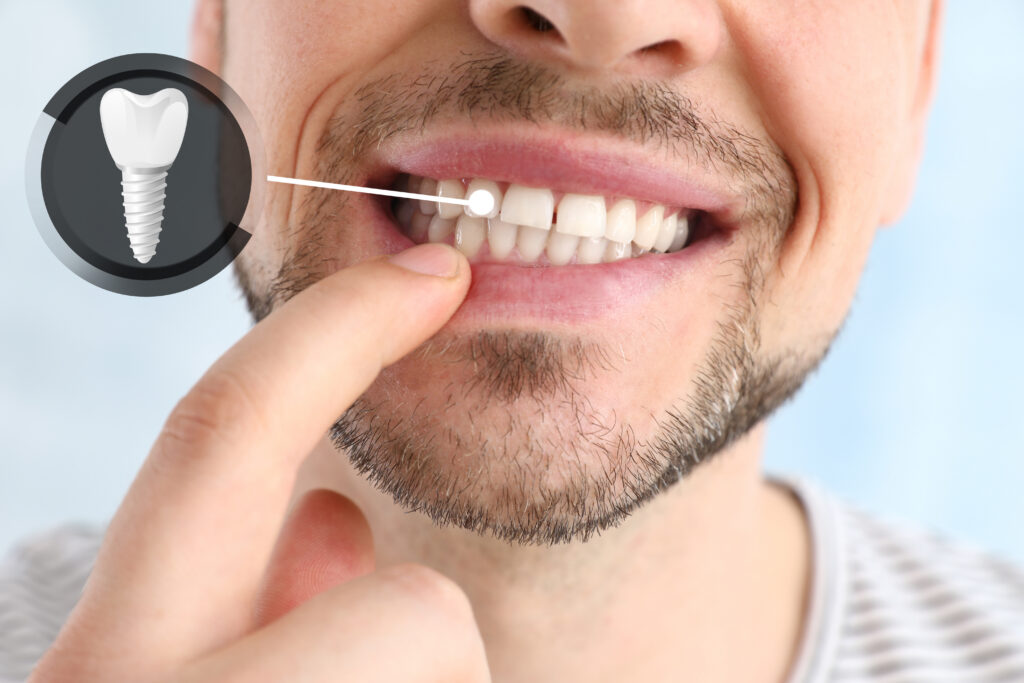
Missing a tooth can feel like a small problem—until you notice the bigger ripple effects. Chewing changes. Nearby teeth start taking extra pressure. You may avoid smiling in photos. And over time, the jawbone in that area can begin to shrink. That’s why we often recommend dental implants as a long-term solution for tooth replacement.
At Eversmiles Dental in Pasadena, dental implants are one of the most natural-feeling ways we can help you restore confidence and function. Whether your tooth was lost to decay, trauma, or an extraction, this guide explains what implants are, what the process looks like, and how we help you choose the right timeline for your life.
If you’re exploring options, start here: Dental Implants. And if you’re missing a tooth because of pain or infection, our Dental Emergency team can evaluate you promptly and help you plan the next step.
What Makes a Dental Implant Different?
A dental implant replaces the root of a missing tooth, not just the visible crown. It’s a small post placed in the jawbone that becomes stable as the bone heals around it. After healing, we attach a connector (abutment) and then a custom crown. The result looks and functions like a natural tooth—and it doesn’t rely on neighboring teeth for support.
Patients often tell us the best part is how “normal” it feels. Implants are stable when you chew, they don’t shift like removable appliances, and they can help preserve bone over time.
When We Recommend Dental Implants
Dental implants can be an excellent option if you:
- are missing one tooth (or several teeth)
- want a fixed, non-removable replacement
- prefer a solution that doesn’t depend on adjacent teeth
- want to help preserve jawbone and facial support
- are looking for long-term function and esthetics
That said, implants are not one-size-fits-all. Your gums, bone support, bite forces, and overall health all matter. That’s why we start with a thorough evaluation and clear planning.
The Implant Process: What to Expect
While each case is personalized, the process typically follows a few key phases:
1) Consultation and planning
We review your medical history, examine the gums and bite, and take imaging to evaluate bone volume. If an infection is present, we focus on stabilizing it first. If a tooth is still present but cannot be saved, we discuss extraction and the best path forward.
2) Implant placement
On placement day, we numb you thoroughly. Many patients are surprised by how manageable the visit feels—most describe it as pressure rather than pain. If you’re anxious, ask us about comfort options through Sedation Dentistry (nitrous oxide or oral sedation). Comfort matters, and we want you to feel calm.
3) Healing and integration
After the implant is placed, your jawbone needs time to heal and stabilize around it. This phase is what makes implants so strong long-term. During healing, we can discuss temporary solutions so you don’t feel self-conscious—especially for visible teeth.
4) Final restoration
Once the implant is stable, we attach the abutment and place your custom crown. We fine-tune the bite so chewing feels natural from day one.
Timing After Extraction: Can You Get an Implant Right Away?
This is one of the most common questions we hear. The answer depends on the situation and what’s safest for long-term success.
- Immediate placement may be possible when infection is controlled, bone is healthy, and anatomy allows for stable placement.
- Delayed placement may be recommended when there’s active infection, significant bone loss, or when we want the site to heal first for predictability.
We’ll explain which option fits your case and why. Our priority is a stable result that lasts—not rushing a step that increases risk.
Do You Need a Bone Graft?
Some patients need a bone graft to rebuild support—especially if a tooth has been missing for a long time or if infection affected the bone. A graft can help create a stronger foundation for your implant. If you need one, we’ll explain the timeline clearly and help you understand what healing feels like.
Implant vs. Bridge vs. Partial: How We Help You Choose
Dental implants are a fantastic option, but they’re not the only one. During your consult, we may compare:
- Implants: stand-alone replacement, supports bone, does not rely on neighboring teeth.
- Bridges: fixed solution that uses adjacent teeth as supports; can be efficient when those teeth already need crowns.
- Partials: removable option that can replace multiple missing teeth and can be more budget-friendly.
If you’re weighing fixed options, our Restorative Dentistry team can help you understand which approach fits your bite, spacing, and goals. For many patients, an implant is the closest match to a natural tooth—but the right answer depends on your mouth and your priorities.
Will an Implant Look Natural?
Yes—when planned correctly. We match the crown’s shape and shade to your surrounding teeth so it blends in. We also pay attention to gum contours and bite balance. The goal is not just “a tooth,” but a result that looks like it belongs in your smile.
How to Care for Dental Implants
Implants don’t get cavities, but the gums around them can become inflamed if plaque builds up. Daily brushing and cleaning between teeth is essential. We’ll recommend the right tools based on your spacing—floss, interdental brushes, or specialty threaders.
Routine checkups matter, too. We evaluate gum health, bone levels on imaging, and bite forces. If you clench or grind, we may recommend a nightguard to protect both the implant crown and your natural teeth.
What If You’re Missing Multiple Teeth?
Dental implants can replace more than one tooth. In many cases, implants can support a bridge or help stabilize dentures for added security. If you’re missing several teeth or you’re considering full-arch replacement, we’ll discuss a plan that balances function, esthetics, and budget.
FAQs
“Do dental implants hurt?”
The implant is placed with local anesthesia so the procedure is designed to be comfortable. Most patients report mild soreness and swelling for a few days afterward, often managed with recommended medication, soft foods, and rest.
“Do dental implants help maintain oral health?”
Yes. Because implants replace the root, they help stimulate the jawbone and can reduce the bone shrinkage that often happens after tooth loss. They also restore chewing function and help support long-term stability.
“Are dental implants better than dentures for comfort?”
For many patients, yes. Implants are designed to feel more stable than removable appliances because they do not slip, click, or move the way dentures can.
“Does dental insurance cover implants?”
Coverage varies by plan, but Eversmiles Dental accepts many dental insurance plans and can review your benefits with you. Financing options are also available if needed.
Comfort and Confidence Start with a Consultation
If you’re tired of living with a gap—or you’re facing an extraction and want a strong replacement plan—our team is here to help you understand your options without pressure. We’ll explain timelines, answer questions, and build a step-by-step plan that feels manageable.
Ready to explore dental implants? Call Eversmiles Dental in Pasadena at 281-741-9180 or schedule through our Contact page. You can also learn more on our Dental Implants service page.