
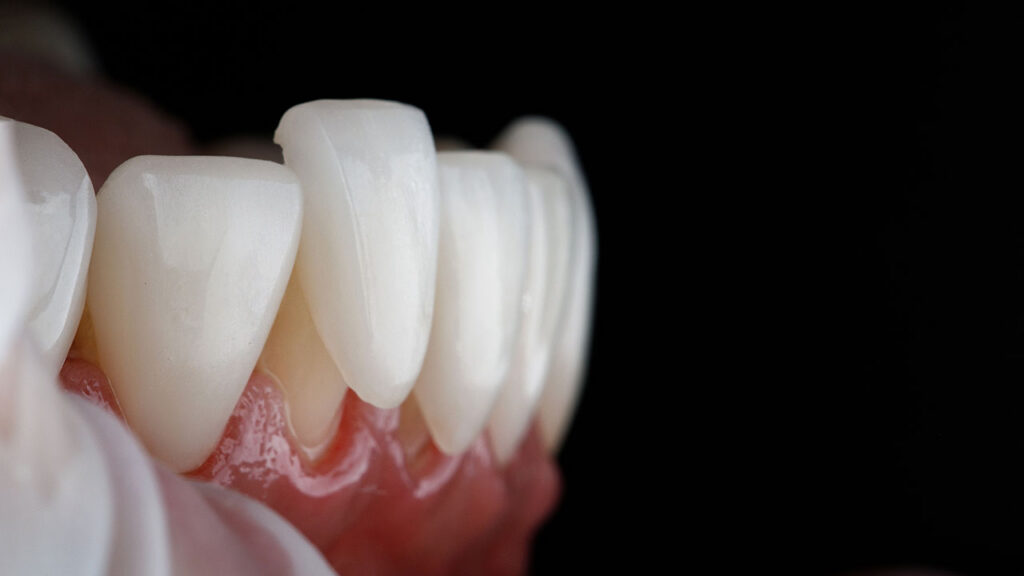
Have you ever wondered whether one cosmetic treatment can address several smile concerns at the same time? Porcelain veneers are thin, custom-made restorations placed over the front surfaces of selected teeth. They can be used to change color, shape, proportion, and the appearance of minor spacing or alignment concerns. Patients interested in veneers can begin by exploring Eversmiles Dental’s cosmetic dentistry services in Pasadena, TX.
Choosing porcelain veneers is a personal decision, not something anyone needs to do to have a healthy smile. However, for patients who want a lasting cosmetic change and have healthy teeth and gums, veneers can provide a highly customized option. Understanding what veneers can and cannot do helps you decide whether they fit your goals.
What Are Porcelain Veneers?
Porcelain veneers are very thin shells designed to cover the visible front portion of a tooth. Each veneer is shaped and shaded to complement the surrounding teeth and the overall smile. Unlike a crown, which generally covers more of a tooth, a veneer is primarily used on the front surface for cosmetic improvement.
Veneers are bonded in place after the tooth is carefully prepared. In many cases, a small amount of enamel must be adjusted so the veneer can sit naturally without looking bulky. Because that preparation changes the tooth permanently, porcelain veneers should be viewed as a long-term treatment decision rather than a temporary cosmetic experiment.
What Concerns Can Porcelain Veneers Address?
Porcelain veneers may be considered for several cosmetic concerns. For example, they can help change the appearance of teeth with deep discoloration that does not respond well to whitening. They can also improve the shape of teeth that appear uneven, worn, undersized, or mildly chipped.
In addition, veneers may help create a more uniform appearance when there are small spaces or minor differences in tooth position. However, veneers do not actually move teeth. If alignment or bite correction is the main concern, orthodontic treatment may be more appropriate. Eversmiles Dental also offers clear aligners for patients who may benefit from moving the teeth rather than masking their position.
Likewise, a tooth with a large fracture, major structural weakness, or extensive decay may need a different type of restoration. Cosmetic planning works best when the underlying teeth and gums are healthy first.
Who May Be a Good Candidate for Porcelain Veneers?
A good veneer candidate generally has healthy gums, enough sound enamel for bonding, and cosmetic concerns that veneers can reasonably address. In addition, the patient should understand the maintenance involved and have realistic expectations about what the treatment can accomplish.
Habits matter, too. Heavy teeth grinding or clenching can place excessive force on veneers. Therefore, patients who grind may need a custom nightguard or another protective strategy. Nail biting, chewing ice, or using teeth to open packages can also shorten the life of cosmetic dental work.
Some patients are better served by another treatment. Professional whitening may be enough when tooth color is the only concern. Dental bonding may work well for a small chip or minor shape change. Meanwhile, orthodontics may be the better choice when crowding or bite relationships need correction. A consultation allows the dentist to compare these options rather than assuming veneers are always the answer.
What Happens During the Porcelain Veneer Process?
Step 1: Consultation and Smile Planning
The process begins with a dental evaluation and a conversation about what you would like to change. The dentist looks at tooth health, gum health, bite, existing restorations, and the way the front teeth relate to the lips and surrounding smile. Photos, scans, or other records may be used to plan proportions and shade.
This planning stage is especially important because cosmetic dentistry should look balanced rather than generic. The goal is not to create the same smile for every patient. Instead, the shape, length, and brightness of porcelain veneers should fit the individual.
Step 2: Tooth Preparation
If porcelain veneers are appropriate, the teeth are prepared according to the treatment plan. A conservative amount of enamel may be removed from the front surface and edge of the tooth. The exact amount varies based on tooth position, veneer design, and the desired result.
Next, impressions or digital scans are taken so the veneers can be made to fit precisely. Temporary veneers may be used while the final restorations are being created, depending on the case.
Step 3: Placement
When the porcelain veneers are ready, the dentist evaluates their fit, shape, and shade before final bonding. Small adjustments may be made as needed. The teeth are then prepared for bonding, and the veneers are secured in place with dental materials designed for this purpose.
After placement, the dentist checks the bite and provides care instructions. Some patients notice temporary sensitivity, particularly to cold, while the teeth adjust. However, persistent discomfort or a bite that feels uneven should be reported to the dental office.
Benefits of Porcelain Veneers in Pasadena, TX
- Customized appearance: Porcelain veneers can be designed around the size, shape, and shade that best fit an individual smile.
- Multiple cosmetic changes at once: Veneers can address color, shape, minor chips, and selected spacing concerns in one treatment plan.
- Natural-looking translucency: Dental porcelain can reflect light in a way that resembles natural enamel when carefully selected and placed.
- Stain resistance: Porcelain is less likely to absorb common stains than natural enamel, although surrounding natural teeth can still change color.
- Long-term potential: With good home care and appropriate bite protection, veneers can remain attractive and functional for many years.
- Personalized treatment planning: The number of veneers and their design can be adjusted to match each patient’s goals rather than using a single standard approach.
Veneers, Bonding, Whitening, or Restorative Dentistry?
Cosmetic treatments often overlap, so it helps to understand the differences. Whitening changes the color of natural enamel but does not change tooth shape. Bonding uses tooth-colored resin to repair or reshape selected areas and can be very conservative. Porcelain veneers change the visible front surface of the tooth and are generally chosen when a broader or more durable cosmetic transformation is desired.
Restorative dentistry serves a different primary purpose. If a tooth is badly cracked, heavily filled, or structurally weakened, strength and function may need to come first. In that situation, a crown or another restoration may be recommended instead of a veneer. Patients with damaged teeth can review Eversmiles Dental’s restorative dentistry services as part of the decision-making process.
In some treatment plans, more than one approach is used. For example, whitening may be completed before veneers so untreated natural teeth can be brought to the desired shade first. Likewise, orthodontics may be recommended before veneers when moving the teeth would improve the final result or allow for more conservative preparation.
How to Care for Porcelain Veneers
Porcelain veneers do not require a special cleaning routine, but they do require consistent care. Brush twice daily with a fluoride toothpaste and a soft-bristled toothbrush. Floss every day to clean between the teeth and along the gumline. In addition, keep regular dental exams and professional cleanings so the teeth supporting the veneers can be monitored.
Avoid using veneer-covered teeth as tools. Opening packaging, biting pens, or chewing ice can create unnecessary stress on both porcelain and natural teeth. If you grind or clench, wear a dentist-recommended nightguard when instructed. This can help reduce repeated force on the veneers while you sleep.
It is also important to remember that the tooth beneath a veneer can still develop decay. Therefore, good brushing, flossing, and professional care remain essential even though porcelain itself cannot get a cavity.
How Long Do Porcelain Veneers Last?
There is no guaranteed lifespan for veneers. Their longevity depends on bite forces, oral hygiene, habits, the amount of natural tooth structure present, and how well the restorations are maintained. Over time, a veneer may chip, loosen, wear, or need replacement for cosmetic or functional reasons.
That is why long-term planning matters before treatment begins. Patients should understand that porcelain veneers are not a once-in-a-lifetime procedure with no future maintenance. However, careful treatment planning and healthy habits can help protect the investment.
Frequently Asked Questions About Porcelain Veneers
Do porcelain veneers look like natural teeth?
They can look very natural when their shade, shape, surface texture, and translucency are carefully planned. The goal is usually to create a smile that fits the patient rather than one that looks overly uniform.
Can veneers be whitened later?
Porcelain does not respond to whitening products the way natural enamel does. Therefore, whitening is often discussed before veneer treatment when surrounding natural teeth also need to be brightened.
Do veneers require enamel removal?
Many veneer cases require some enamel adjustment, although the amount varies. Because the tooth is permanently altered, your dentist should explain the preparation needed before you decide to proceed.
Can I get one veneer instead of several?
Sometimes. A single veneer may be appropriate for one tooth, but matching it closely to neighboring natural teeth can require careful shade and shape planning. The number of veneers depends on the concern being treated and the desired result.
Explore a Personalized Cosmetic Dentistry Plan
Porcelain veneers can be a versatile option for patients who want to change several aspects of selected teeth while maintaining a natural-looking smile. However, the best cosmetic plan begins with healthy teeth, clear expectations, and a careful comparison of all reasonable treatment options.
Ready to find out whether porcelain veneers fit your goals? Schedule a Consultation with Eversmiles Dental in Pasadena, TX, visit our Contact Us page, or Call Us Today at (281) 741-9180 to discuss a personalized cosmetic dentistry plan.