
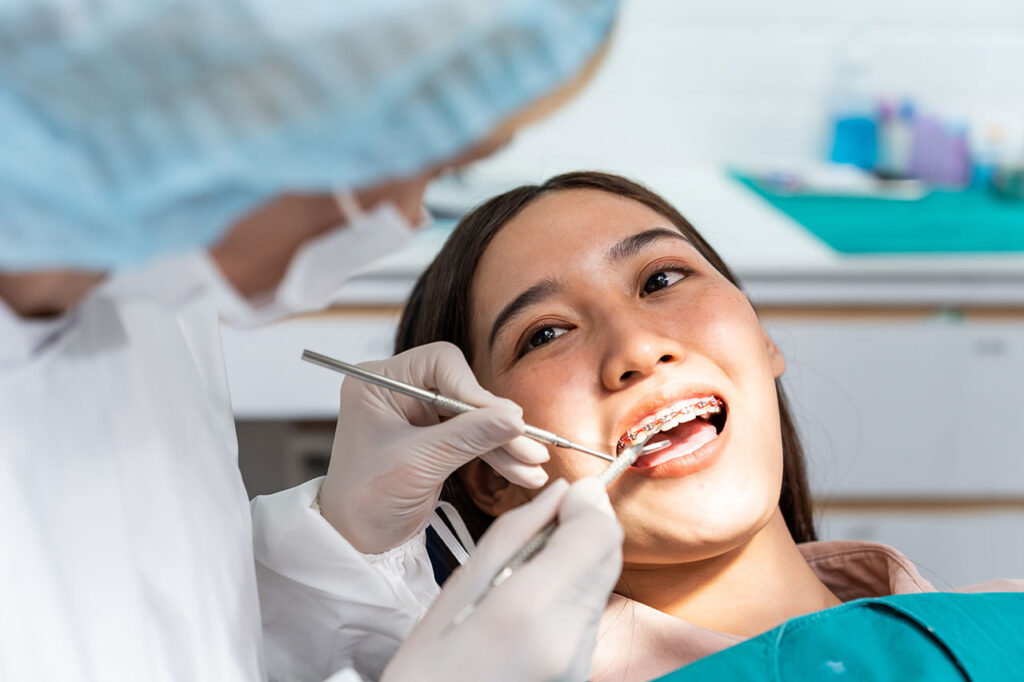
Wondering whether traditional braces are still a smart choice when so many orthodontic options are available? For many teens and adults, the answer is yes. Traditional braces remain a dependable way to guide crowded, rotated, spaced, or poorly aligned teeth into healthier positions. At Eversmiles Dental, patients can learn more about traditional braces in Pasadena, TX and how a personalized orthodontic plan can support both appearance and bite function.
Starting braces can feel like a big commitment, especially when you are not sure what placement day, adjustment visits, eating changes, or daily cleaning will be like. However, the process becomes easier to understand when it is broken into clear stages. This guide explains what traditional braces do, who may be a good candidate, what happens during treatment, and how to care for your smile along the way.
Why Traditional Braces Are Still Widely Used
Traditional braces use brackets attached to the teeth and an archwire that applies carefully controlled pressure. Over time, that pressure encourages teeth to move into planned positions. Modern braces also allow precise adjustments throughout treatment, which makes them useful for many types of crowding, spacing, rotation, and bite concerns.
Another advantage is consistency. Because traditional braces stay on the teeth, patients do not have to remember to put an appliance back in after meals. Clear aligners may still be an excellent option for some patients, so the best treatment depends on your dental needs and habits. Patients comparing approaches can review Eversmiles Dental’s clear aligner services before discussing both choices during an evaluation.
Who May Be a Candidate for Traditional Braces?
Traditional braces can be appropriate for teenagers and adults. Age alone does not determine whether treatment can work. Instead, the health of the teeth, gums, supporting bone, and bite matters. Before orthodontic treatment begins, a dentist evaluates whether the mouth is healthy enough for tooth movement and whether any active problems should be addressed first.
Traditional braces may be recommended for crowded teeth, noticeable spaces, turned or tilted teeth, overbites, underbites, crossbites, or other alignment concerns. However, braces are not a one-size-fits-all treatment. Someone with active gum disease or untreated decay may need care first, while a patient with a simpler alignment concern may have more than one reasonable orthodontic option.
What Happens at a Braces Consultation?
The first visit is about more than deciding whether you like the look of braces. The dental team reviews your teeth, gums, bite, previous dental work, and treatment goals. Images or digital records may also be used to understand how the teeth fit together and where movement is needed.
Next, the dentist explains what treatment is designed to change. For example, the goal may include creating room for crowded teeth, closing spaces, or improving how the upper and lower teeth meet. You should also learn about the expected treatment sequence, how often visits may be needed, and what responsibilities you will have at home. Because every mouth is different, your consultation is the best place to receive an individualized estimate of treatment time.
How Traditional Braces Treatment Progresses
Placement Day
When braces are placed, the teeth are cleaned and prepared so the brackets can be bonded securely. The archwire is then positioned to begin controlled movement. Afterward, the teeth may feel tender as they start responding to orthodontic pressure. Softer foods can make the first few days easier, and orthodontic wax can help if a bracket or wire rubs the cheek or lip.
Adjustment Visits
Braces move teeth in stages. At adjustment visits, the dentist checks progress, evaluates the braces, and makes changes that continue guiding the teeth. Mild pressure or tenderness may follow some visits, but it commonly improves as the mouth adapts.
Keeping these appointments is important. If a bracket breaks, a wire becomes displaced, or visits are repeatedly missed, treatment may not progress as planned. Therefore, call the office when something feels wrong rather than waiting for a small problem to become a longer delay.
The Finishing Phase
Near the end of treatment, small adjustments may refine tooth position and improve how the bite fits together. Once the planned movements are complete, the braces are removed and retainers are commonly recommended. Retainers help maintain the new positions while the surrounding tissues adapt, so following retainer instructions is an important part of protecting your results.
Benefits of Traditional Braces in Pasadena, TX
- Consistent treatment: Traditional braces stay in place, so progress does not depend on remembering daily wear time.
- Versatile correction: Braces can address many types of crowding, spacing, rotation, and bite concerns.
- Precise control: Brackets and wires allow carefully planned adjustments throughout treatment.
- Options for teens and adults: Traditional braces can be considered at different ages when oral health is suitable.
- Support for bite function: Better alignment may improve how the upper and lower teeth work together.
- Regular progress monitoring: Scheduled visits allow the dental team to evaluate movement and make timely changes.
Eating, Brushing, and Flossing With Braces
Most patients can continue enjoying a varied diet, but hard or sticky foods can damage brackets and wires. Ice, hard candies, popcorn kernels, and very crunchy foods should be approached cautiously or avoided based on your dental team’s instructions. Instead, cut firm foods into smaller pieces. For example, slice apples rather than biting directly into them with the front teeth.
Home care also becomes especially important because plaque and food can collect around brackets. Brush thoroughly with fluoride toothpaste, paying attention to the gumline and the areas above and below each bracket. In addition, floss daily using a floss threader, orthodontic floss, or another dentist-recommended tool.
Routine cleanings and exams remain important throughout orthodontic treatment. Eversmiles Dental’s family dentistry services include preventive care that can support patients before, during, and after braces. Consistent home care and professional monitoring work together to help protect enamel and gum health while the teeth are moving.
Are Traditional Braces Only for Teenagers?
No. Adults can pursue orthodontic treatment, too. Some adults never had braces when they were younger, while others notice that teeth have shifted over time. Adult treatment may require additional planning when crowns, bridges, missing teeth, or gum concerns are present, but those factors do not automatically rule out braces.
For teens, traditional braces can also be practical because the appliance remains in place. Parents do not have to monitor whether removable trays are being worn for the recommended time. Ultimately, the right choice depends on the patient’s oral health, treatment goals, and ability to follow the care plan.
What Can Affect How Long Braces Take?
There is no single treatment length for everyone. The starting position of the teeth, the bite correction needed, biological response, missed visits, broken appliances, and home care can all influence progress. Some movements simply require more time because teeth must be guided gradually.
Patient cooperation matters as well. Wearing elastics exactly as directed, avoiding foods that repeatedly damage braces, attending appointments, and maintaining healthy teeth and gums can support smoother treatment. Therefore, follow the plan provided by your dental team rather than trying to speed up movement on your own.
Frequently Asked Questions About Traditional Braces
Do traditional braces hurt?
Braces may cause temporary tenderness or pressure, especially after placement or adjustments. However, the sensation generally improves as the mouth adapts. Soft foods, orthodontic wax, and dentist-approved comfort measures may help.
Can I play sports while wearing braces?
Yes. Many patients continue sports during orthodontic treatment. However, a properly fitted mouthguard is important for activities where contact or facial impact is possible. Ask the dental team which type is appropriate over braces.
What should I do if a wire pokes my cheek?
Orthodontic wax may provide temporary protection. In addition, contact the office for instructions, especially if the wire is causing persistent irritation or has shifted significantly.
Will I need a retainer after braces?
Retainers are commonly recommended because teeth can shift after active treatment ends. Your dentist will explain which retainer is appropriate and how often it should be worn.
Plan Your Orthodontic Care With Confidence
Traditional braces can be a practical, highly controlled way to improve alignment for teens and adults. More importantly, a successful plan considers how the teeth fit together, how easy they are to clean, and how well treatment fits your routine.
Ready to learn whether traditional braces are right for you or your teen? Book an Appointment with Eversmiles Dental in Pasadena, TX, visit our Contact Us page, or Call Us Today at (281) 741-9180 to discuss your orthodontic options.